
Commissions guide
How to take art commissions online
Commissions go smoothly when the important answers exist before anyone messages you: what you draw, what it costs, how payment works, how many revisions are included and when it arrives. This guide covers the commission sheet, terms, request form, slots, payment and delivery.
The short answer
Publish a commission sheet with examples and prices, write short terms, collect the details you need with each request, open only as many slots as you can finish, and take payment through a checkout before you start. Then deliver on the date you promised, with the revisions your terms include.
Most commission stress comes from answering the same questions in DMs and from work that started before the details and payment were settled. Each step below removes one of those problems.
Make a commission sheet
A commission sheet is one image or page that answers “what do you draw and what does it cost?” at a glance. Pin it, put it in your link in bio, and point every “are you open?” message to it.
- Types and examples: headshot, half body, full body or whatever fits your style, each with one finished example.
- Base prices: one price per type, plus add-ons such as an extra character, a detailed background or a rush job.
- Turnaround: a typical range, such as two to three weeks from payment.
- Will and won't draw: list the subjects you accept and the ones you decline, so nobody has to ask.
- Status: open or closed, and how many slots are left.
For a full pricing worksheet with hours, add-ons and usage rights, read how much to charge for a custom commission.
Write your terms
Terms do not need legal language. They need to be short, specific and visible before payment. These cover most disputes.
| Term | A common choice | Why it matters |
|---|---|---|
| Payment | Full payment before the sketch for small pieces; half as a deposit for large ones | You never work for free, and the buyer knows exactly when to pay |
| Revisions | Two small changes at the sketch stage, extra changes priced per change | Stops endless rounds of edits |
| Timeline | A range from payment, with a note if you are delayed | Sets expectations and makes delays easy to explain |
| Cancellations | Full refund before the sketch, partial after, none after delivery | Matches the refund to the work already done |
| Usage | Personal use included; commercial use priced separately | Prints, merch and ads are worth more than a profile picture |
| Posting | You can post the piece and process videos unless the buyer asks for privacy at checkout | Keeps your portfolio growing without surprises |
For refund wording you can adapt, read how to write a creator refund policy.
Collect the right details
Ask for everything you need in one go, at the moment someone requests a piece. It saves days of back-and-forth.
WhatType of piece, number of characters, background or not.
ReferencesLinks or images for each character, plus anything you must avoid.
FormatSize, orientation and where it will be used, such as a profile picture, a print or a stream overlay.
UsePersonal or commercial. Commercial use changes the price.
DeadlineOnly if there is a real date, such as a birthday. Rush jobs cost extra.
If a request does not fit, decline politely with a link to your sheet. For tricky requests, read how to handle custom requests from supporters.
Open slots you can finish
Slots protect you from saying yes to more than you can deliver. Work out how many hours a typical piece takes, including revisions and messages, and compare that with the time you really have each week.
Six-hour portraits
Twelve spare hours a week fits two portraits, so three open slots per week leave room for a slow one.
Promise two to three weeks, not one.Close, then waitlist
Mark commissions as closed and offer a waitlist or a date when you reopen, so interest is not lost.
Reopen on a predictable schedule.Fewer slots, longer turnaround
Holidays and conventions eat time. Cut slots before you fall behind, not after.
Late art hurts more than closed slots.Take payment safely
- Use a checkout, not personal transfers: PayPal says personal payments are not covered by its Purchase Protection. A checkout records what was bought and the terms that applied.
- Payment before work: start the sketch only after payment, or the deposit, has cleared.
- One price, written down: the buyer should see the total, including add-ons, before paying.
- Keep the request with the payment: when the brief and the payment live in the same place, you never have to dig through DMs to find what someone ordered.
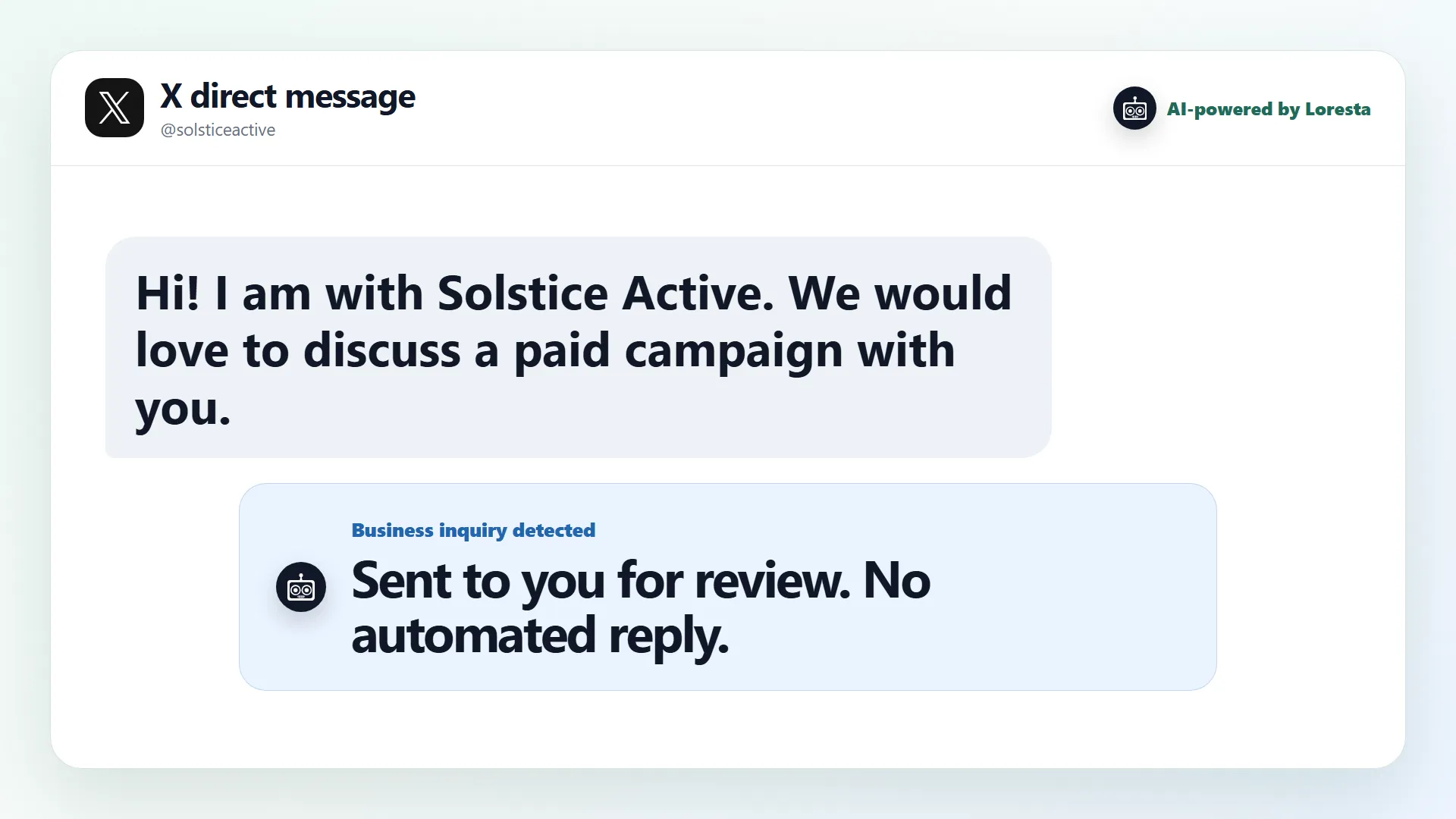
On a Loresta Page, a custom request works this way: the buyer writes their brief at checkout, pays upfront, and the request arrives with the payment. You can limit requests by quantity or end date, so slots close on their own, and common questions like “are you open?” get answered on the Page from answers you approve. Selling is open to creators in about 100 countries, including the US, Canada, the UK, the EU, Japan, Mexico and India.
Deliver and follow up
- 1
Share the sketch
Send a sketch for approval before you render. This is where revisions are cheap.
- 2
Update on schedule
A short update at the halfway point prevents “any news?” messages.
- 3
Deliver the files
Send the full-size file in the agreed format, and a smaller version for social media if that helps.
- 4
Ask for permission and a review
Ask if you may post it and tag them, and whether they would recommend you. Happy buyers are your best advertising.
Research notes
Sources checked for this guide
Product details and policies can change. First-party pages were checked on October 20, 2026.
- U.S. Copyright Office: Circular 30, works made for hire
Explains when a commissioned work can be a work made for hire. Most personal art commissions are not, so the artist usually keeps the copyright unless it is transferred in a signed writing.
- Ko-fi Help: what are Ko-fi Commissions?
Ko-fi describes commission slots, seller-set terms, delivery expectations and revision limits.
- Gumroad Help: selling services and commissions
Gumroad describes commission products, deposits and collecting details from buyers.
- PayPal Help: personal payments versus goods and services
PayPal says personal payments are not covered by Purchase Protection, which matters when strangers pay you for work.
Questions creators ask next
Direct answers that keep the plan realistic.
How much should I charge for art commissions?
Start from the hours a piece really takes, multiply by an hourly rate you can live on, and add for extra characters, backgrounds, rush jobs and commercial use. The commission pricing guide linked below walks through a full worksheet.
Should I take full payment upfront for commissions?
For small pieces, full payment before you start is common and protects your time. For large or long pieces, many artists take a deposit, often half, before the sketch and the rest before the final file. Write whichever you choose into your terms.
Who owns a commissioned artwork?
In the US, the artist usually keeps the copyright unless both sides sign a written agreement that transfers it. The buyer gets the file and the uses your terms allow, such as personal use. This is general information, not legal advice.
How many commission slots should I open?
Open only as many as you can finish within the turnaround you promise, with time left for revisions and your own work. If a portrait takes six hours and you have twelve spare hours a week, two or three slots a week is realistic.
Can I turn down a commission request?
Yes. List what you will not draw on your commission sheet, and decline politely when a request does not fit. Clear limits up front mean fewer awkward conversations later.
Take commissions from your link in bio
Claim your name and paste your link. Loresta builds a free Page for tips, offers and answers to your followers' questions. Nothing goes live until you publish.
Compare plans